Why Birch Sap from China's Greater Khingan Range Rivals the World's Best
- Share
- publisher
- SourceBirch
- Issue Time
- Jul 8,2026
Summary
SourceBirch sources birch sap from China's Greater Khingan Range - pristine boreal forests, a short sustainable tapping window, and full-chain traceability that rivals Nordic supply.
SourceBirch · Origin Series
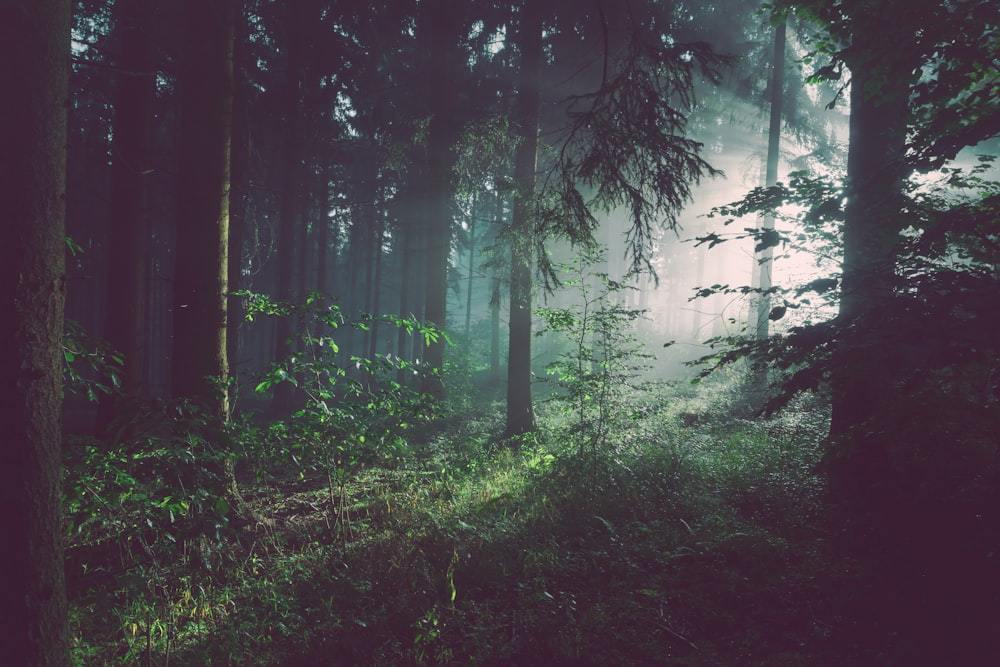
When buyers talk about premium birch sap, the conversation almost always drifts north — to Finland, to Russia, to the lazy spring forests of Scandinavia. But some of the cleanest, most mineral-rich birch sap on the planet grows nearly 5,000 km to the southeast, in the cold boreal forests of China’s Greater Khingan Range. If your sourcing playbook still starts and ends in Europe, you may be leaving both quality and margin on the table.
A Pristine Cold-Region Ecosystem
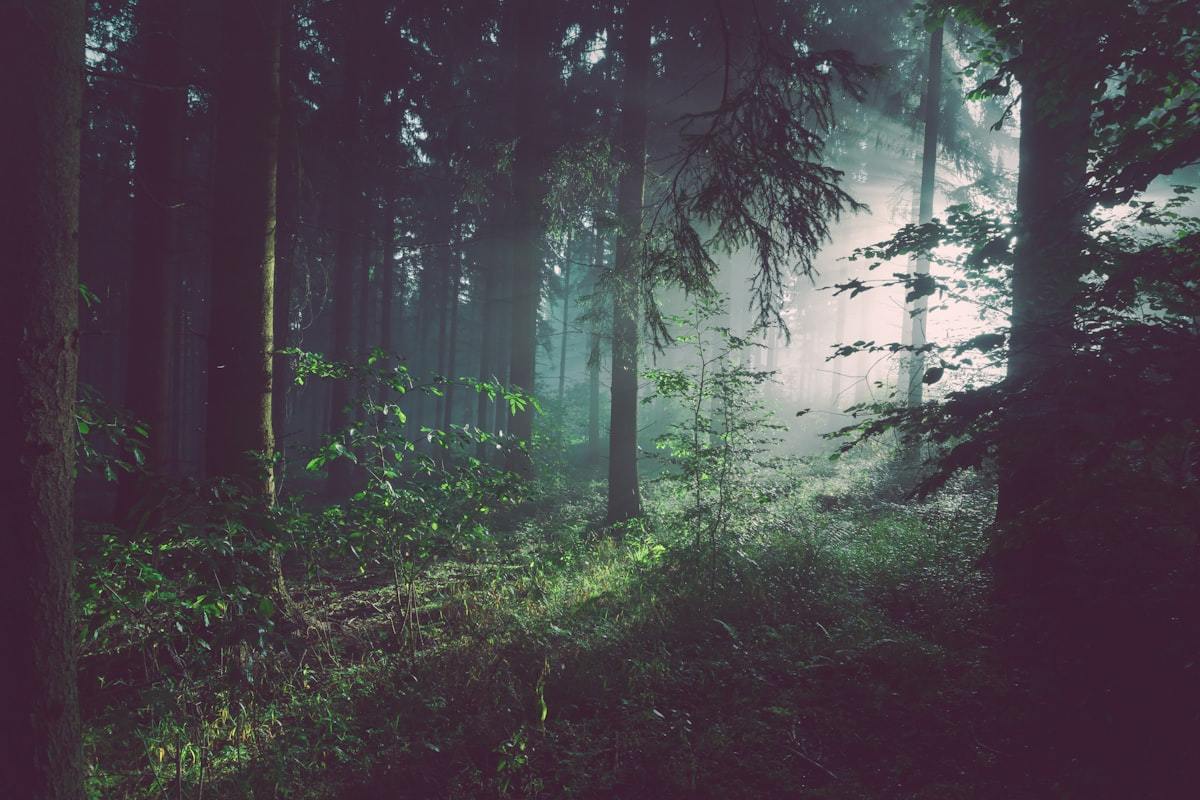
Birch sap is only as good as the forest that makes it. The Greater Khingan Range is one of the last large, lightly disturbed boreal forest systems in the northern hemisphere, and the conditions there are close to ideal for Betula (white birch).
Vast boreal cover
Forest coverage above 70% across mature, undamaged birch stands.
Cold, clean winters
Deep dormancy then a sharp spring thaw drives a concentrated, nutrient-dense sap flow.
Low industrial density
Far from heavy manufacturing, so groundwater and soil stay unusually clean.
Mineral-rich substrate
Low sugar, a clean electrolyte balance, and a notable amino-acid and mineral load.
The Narrow Tapping Window
Birch sap does not flow on demand. In the Greater Khingan Range the harvest window is brutally short — roughly two to four weeks in early spring, between thaw and leaf-out, when root pressure pushes sap up but the tree has not yet spent it on new growth.
- We tap, we do not cut — drilled points close and heal, so the tree keeps producing year after year.
- We rotate stands on a cycle, so no single forest is over-drawn in consecutive seasons.
Khingan vs. the Nordics: An Honest Comparison
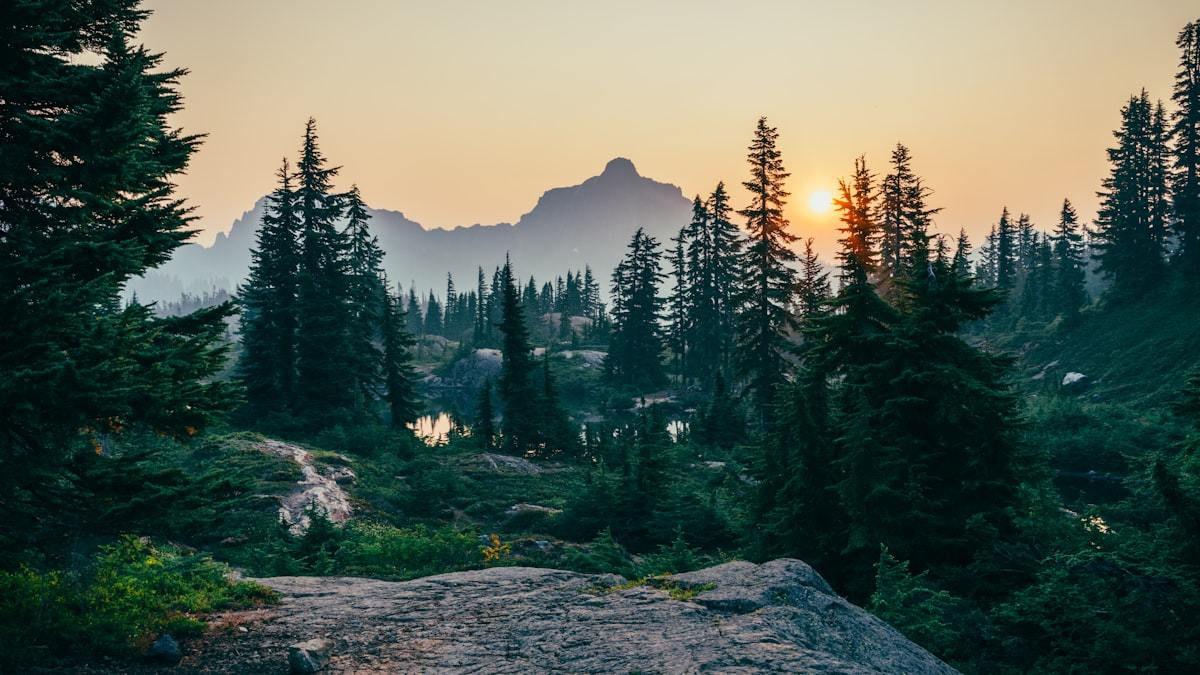
We are not going to tell you Nordic birch sap is bad — it is good. But a straight comparison helps procurement teams choose with open eyes.
| Factor | Greater Khingan | Nordic (FI / RU) |
|---|---|---|
| Climate | Boreal, cold-winter | Boreal, cold-winter |
| Active compounds | Comparable amino / mineral load | Comparable |
| Landed cost to Asia / MENA | Lower freight & duty exposure | Longer haul |
| Story | “Wild cold-region origin” | Well-known category leader |
“Tracing with Heart” — Full-Chain Traceability
Every lot ties back to harvest stand and date. Inbound sap is logged, tested, and batched before processing, and key intermediates carry batch IDs that travel with the finished material — so a buyer can trace a drum back to the forest it came from.
The Bottom Line for Buyers
If you are sourcing birch sap and your shortlist is Europe-only, you are missing a credible, cost-advantaged, fully traceable origin in China’s Greater Khingan Range. Read more in our Blog, browse the catalog, or contact us to discuss sourcing.