Q&A for Birch Sap Buyers: Top 10 Questions from Purchasers
- Share
- Issue Time
- Dec 20,2025
Summary
Birch Sap Buyer's Guide: Key Q&A.Covering market trends, quality verification, supplier selection, and industry standards, this guide helps buyers navigate the birch sap market. Learn to identify pure products, assess suppliers, and avoid common pitfalls in this growing industry.
Question 1: What is the market outlook for birch sap?
The popularity of birch sap is backed by solid data, with significant market potential attracting industry giants such as Nongfu Spring, Huiyuan, and Dayao to launch related products. This indicates it is not just a passing trend but a promising segment with sustained growth potential.
Question 2: As a buyer, how can I distinguish pure birch sap from blended beverages?
The most direct way is to check the ingredient list. According to relevant industry standards, NFC pure birch sap should list only "birch sap" as the ingredient. If other components appear, it is a blended beverage.
Question 3: How do suppliers ensure the quality and safety of birch sap products?
✦Production Process: Reputable suppliers use advanced techniques to maximize the retention of nutrients.
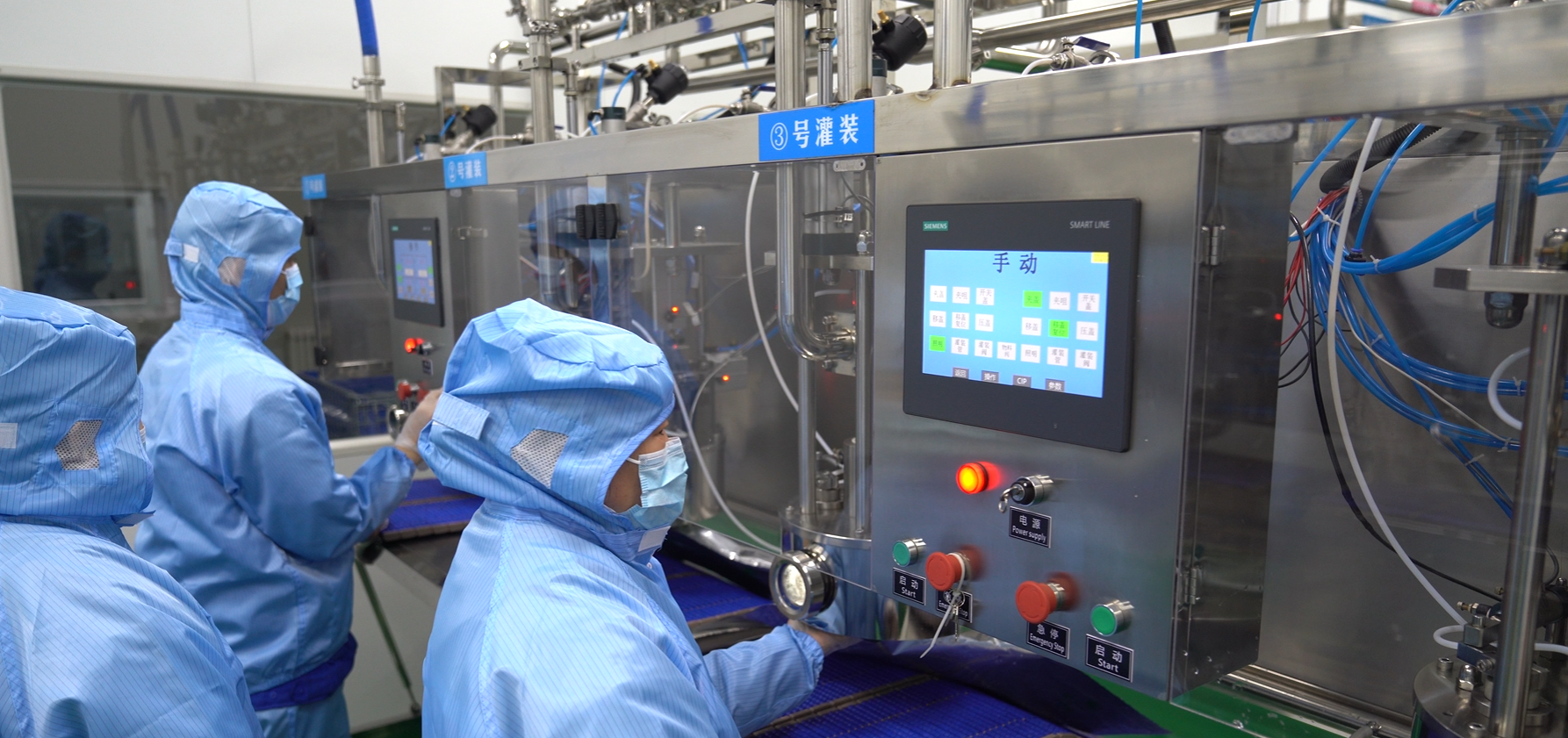
✦Production Environment: Operations in high-cleanliness areas directly impact product hygiene and safety.
✦Compliance: Adherence to regulatory documents, such as the "Birch Sap Production License Review Guidelines," reflects production standards.
Question 4: Are there special packaging and storage requirements for birch sap products?
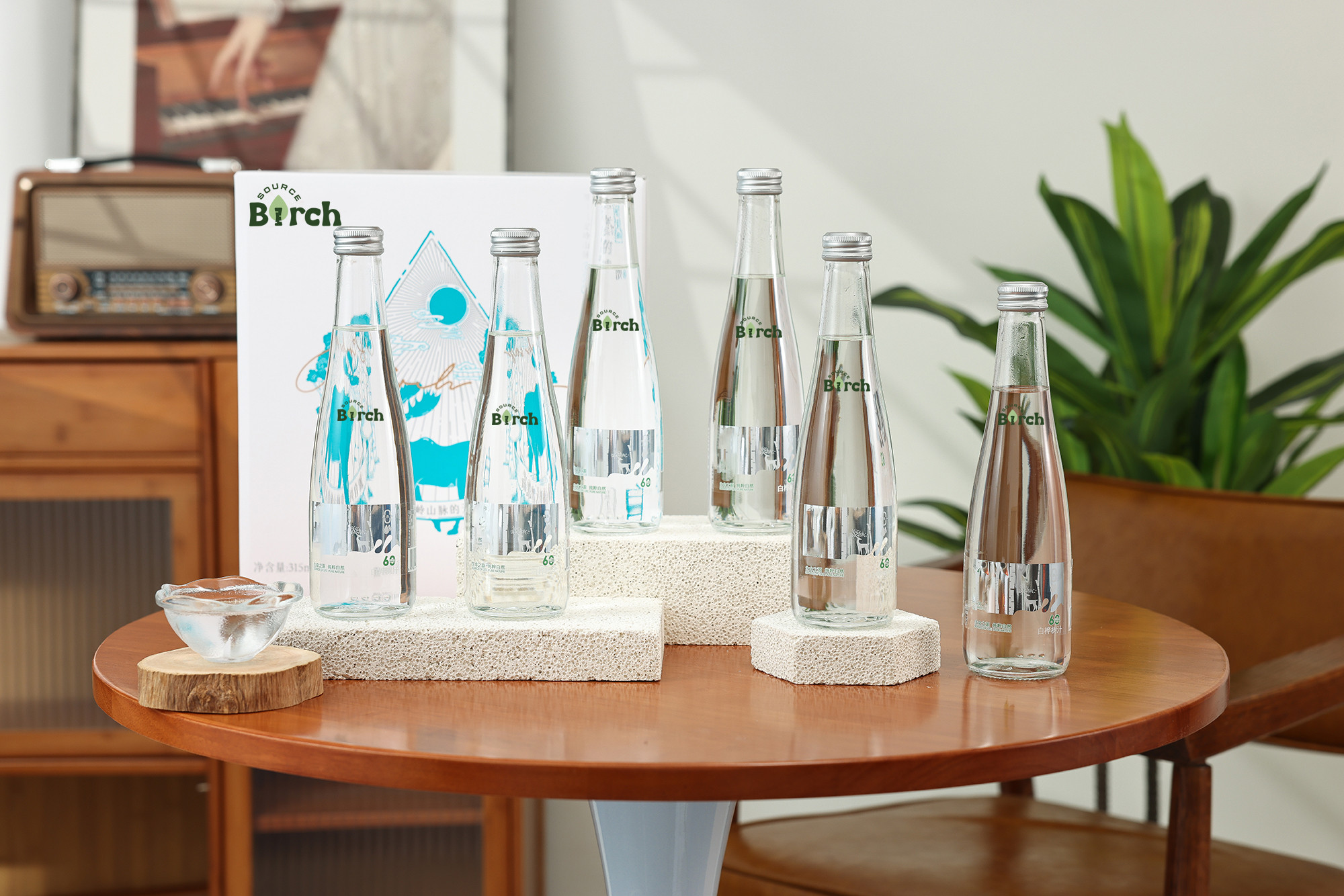
Fresh birch sap is nutrient-rich and prone to fermentation. Most products are stored and transported frozen, which can lead to nutrient loss. However, premium suppliers like Sourcebirch have developed TSR technology to maintain freshness without relying on traditional cold chains.
Question 5: Is the raw material collection of birch sap conducted properly?
Industry standards include:
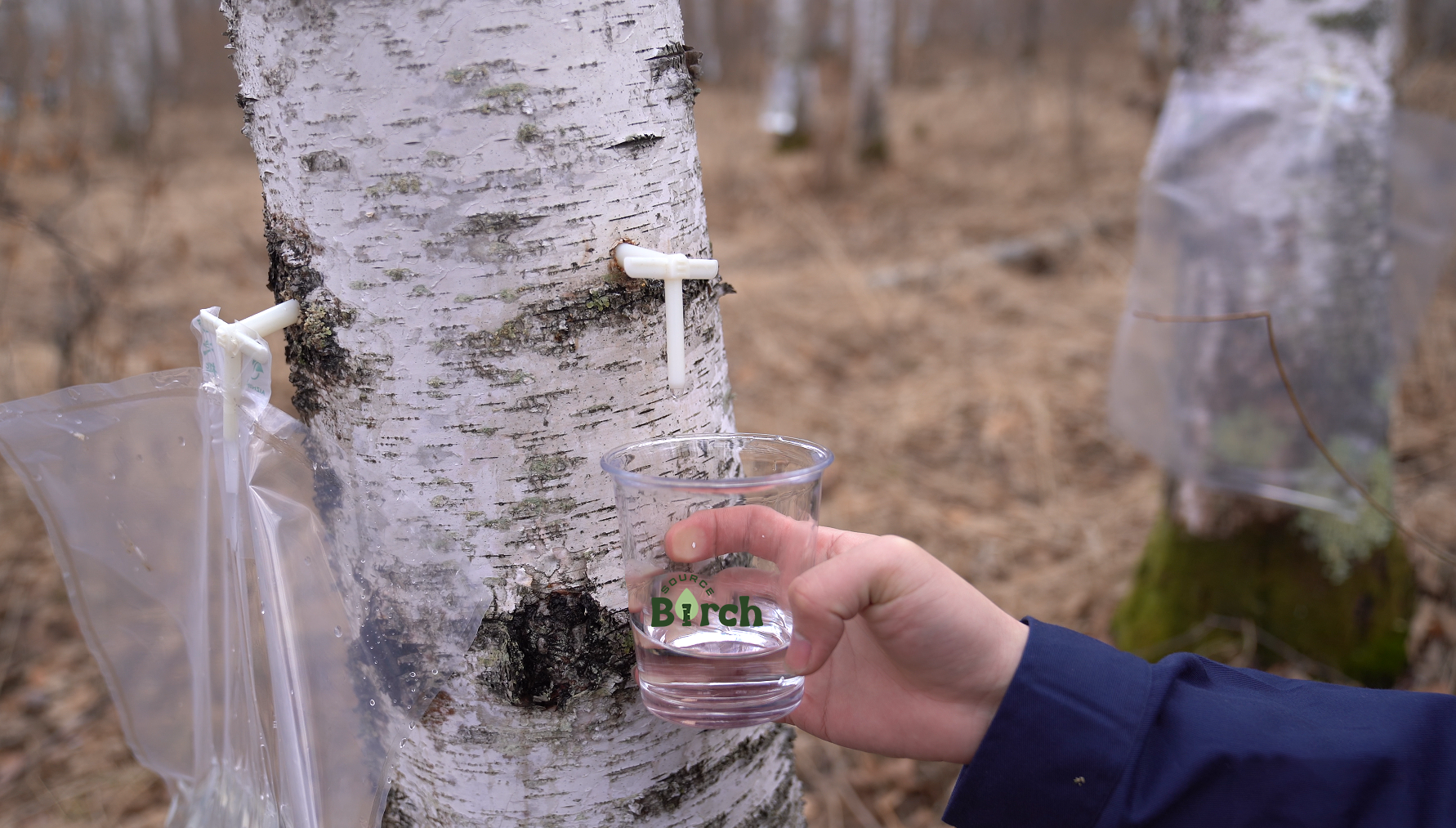
✦Implementing a "three-year rotational harvesting" system for the same forest area.
✦Using compliant, pollution-free collection tools.
✦Sealing drill holes professionally after collection to protect tree health.
Question 6: Are there unified national standards for the birch sap industry? How is compliance ensured?
The industry has voluntarily established several guiding group standards. Additionally, regulatory authorities in key production regions have issued specific production license review guidelines.
Question 7: How should I choose a reliable birch sap supplier?
Consider the following three dimensions:
✦Supply Chain Control: Prefer suppliers with end-to-end control from sourcing and production to quality assurance.
✦Certifications and Compliance: Verify food production licenses and adherence to industry standards or official guidelines.
✦Market Reputation: Assess the supplier’s standing in the industry and be cautious of traders relying solely on OEM production without supply chain foundations.
Question 8: What types of birch sap suppliers are available in the market?
Suppliers generally fall into three categories:
✦Specialized Brands: Such as Sourcebirch and Jiahua, which focus on fresh sap and prioritize quality.
✦Cross-Industry Giants: Like Huiyuan, Nongfu Spring, and Dayao, leveraging strong branding and distribution channels.
✦Low-Price Brands: Often rely on frozen sap to compete on price.
Question 9: What risks and irregularities should buyers be aware of in this emerging industry?
Key risks include:
✦Misleading Claims: Some sellers exaggerate or falsely advertise the benefits of birch sap.
✦Product Substitution: Blended beverages may be marketed as pure birch sap, or actual sap content may not match claims.
✦Price Wars: Unreasonably low prices often come at the expense of product quality, disrupting market order.
Question 10: What is the price range for birch sap procurement?
End-market prices for birch sap vary significantly, reflecting differences in raw material purity and production processes. Buyers should first clarify their product positioning and target customer base.