Analysis of Regulations and Certification Requirements for Importing Birch Sap into Europe and North America
- Share
- Issue Time
- Dec 15,2025
Summary
Exporting birch sap to EU & North America requires compliance with key regulations (EU Novel Food, FDA FSMA) and certifications (organic, IFS/BRCGS). Understanding MRLs, labeling rules, and organic standards is crucial for market access. SourceBirch supports full compliance.
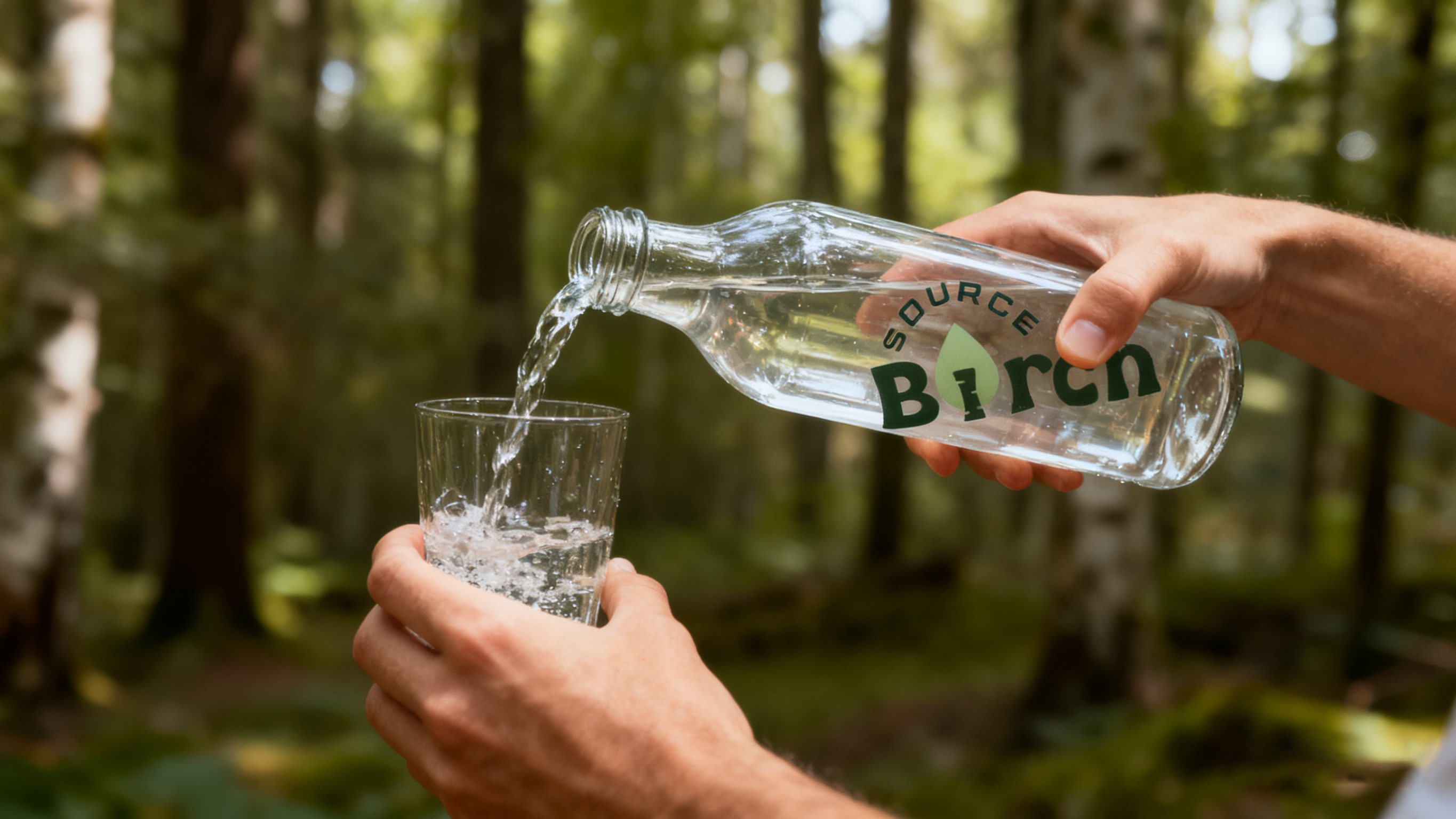
With the rapid growth of the global health food market, birch sap—often hailed as “liquid gold” from nature—is gaining increasing popularity among consumers worldwide. Exporting this natural beverage to major markets such as Europe and North America requires a thorough understanding of local regulations and certification standards.
1. The European Market: A Strict Regulatory System Centered on the EU
Europe, particularly the European Union (EU), maintains one of the world’s most stringent food regulatory frameworks.
Key Regulatory Requirements:
✔General Food Law (Regulation (EC) No 178/2002): Serves as the foundation for all food products sold in the EU, emphasizing traceability, safety, and risk management principles.
✔Novel Food Regulation (EU) 2015/2283: Birch sap has a traditional history of consumption in some Northern European countries. However, at the EU level, it was once classified as a “novel food.” Compliance with authorization procedures may be required unless a history of safe consumption is recognized.
✔Food Information to Consumers (Regulation (EU) No 1169/2011): Mandatory labeling must include: •Product name •Ingredients list •Net quantity •Country of origin •Best-before date •Storage conditions •Allergen information •Nutrition declaration
✔Maximum Residue Levels (MRLs) for Pesticides: As a plant-based beverage, birch sap must comply with EU MRLs. Exporters should provide relevant testing reports to verify compliance.
Key Certifications:
✔Organic Certification (EU Regulation 2018/848): Essential for accessing the premium organic segment in Europe.
✔International Featured Standards (IFS) or BRCGS Certification: While not legally mandatory, these are often required by major European retailers to ensure consistent quality and safety management.

2. The North American Market: A Dual Regulatory Framework
North America consists of two major regulatory systems—the United States and Canada—each with specific requirements.
United States:
✔FDA Regulation: Birch sap is regulated under the U.S. Food and Drug Administration (FDA) as a food product.
✔Food Safety Modernization Act (FSMA): Focuses on preventive controls, and importers must comply with the Foreign Supplier Verification Program (FSVP).
✔Labeling Requirements: Must follow FDA guidelines, including product identity, ingredient list, net weight, manufacturer/distributor details, and Nutrition Facts.
✔Certifications:
•USDA Organic Certification: Required for products marketed as organic in the U.S.
•GFSI-Recognized Certification (e.g., SQF, BRCGS): Highly recommended to simplify FSVP compliance and enhance buyer trust.
Canada:
✔Canadian Food Inspection Agency (CFIA) Oversight: Birch sap must comply with the Food and Drugs Act and its regulations.
✔Safe Food for Canadians Regulations (SFCR): Emphasizes traceability, preventive controls, and requires an import license for most food products.
✔Canada Organic Regime (COR): Mandatory for products labeled as “organic” in Canada.
Conclusion
Successfully exporting birch sap to Europe and North America requires a systematic approach. Establishing a robust quality and safety management system and obtaining key certifications are not only essential for overcoming trade barriers but also fundamental to building brand credibility and standing out in the competitive global health beverage market.
At SourceBirch, our end-to-end supply chain system is designed to help clients seamlessly meet these regulatory and market demands—ensuring quality, compliance, and confidence every step of the way.